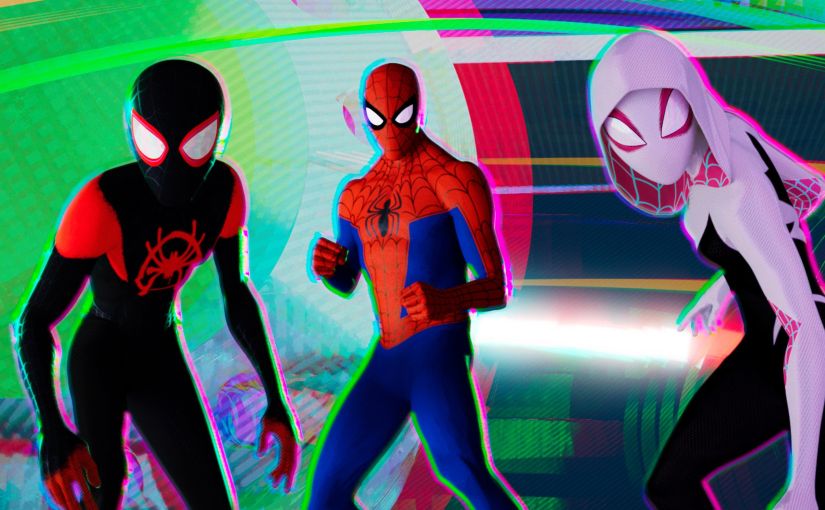
Time to put on your behind the scenes glasses and dive into the Spider-Verse one more time! The animation team behind the Academy Award-winning, Spider-Man: Into the Spider-Verse, have re-assembled (after some well earned time off) to reminisce and share insight into the animation process. Continue reading Into the Spider-Verse: Animator Commentary
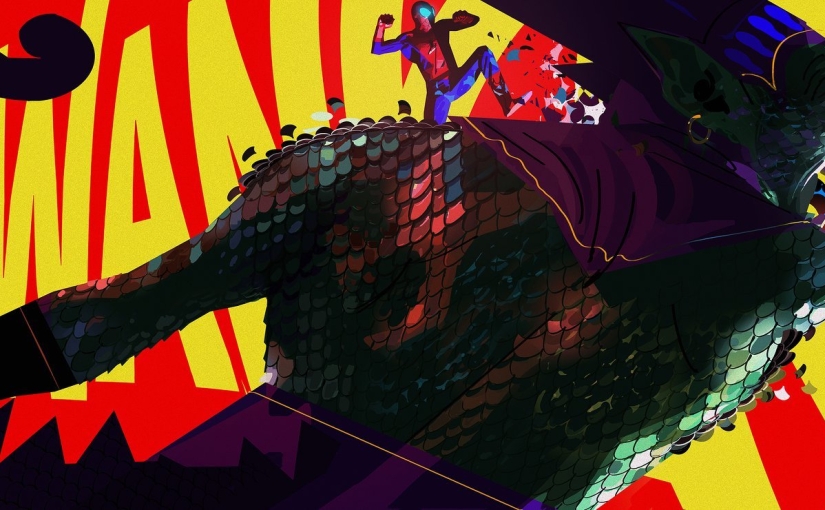
The Art and Making of Spider-Man: Into the Spider-Verse
Spider-Man: Into the Spider-Verse is the most visually ground breaking film of the year. The artists and technicians on this project were specifically tasked with pushing the boundaries and setting new bars for what’s possible in animated features, and their work deserves to be celebrated. I was an Animator on this film, and with a platform like this at my fingertips, I felt obligated to reach out to all the artists, gather as much material as I could find, and share it with you here. Continue reading The Art and Making of Spider-Man: Into the Spider-Verse
Rare Animation Books For Sale
I recently posted on Twitter about purging some of my art book collection. I’ve always liked the idea of passing books to people I’ve connected with through this website.
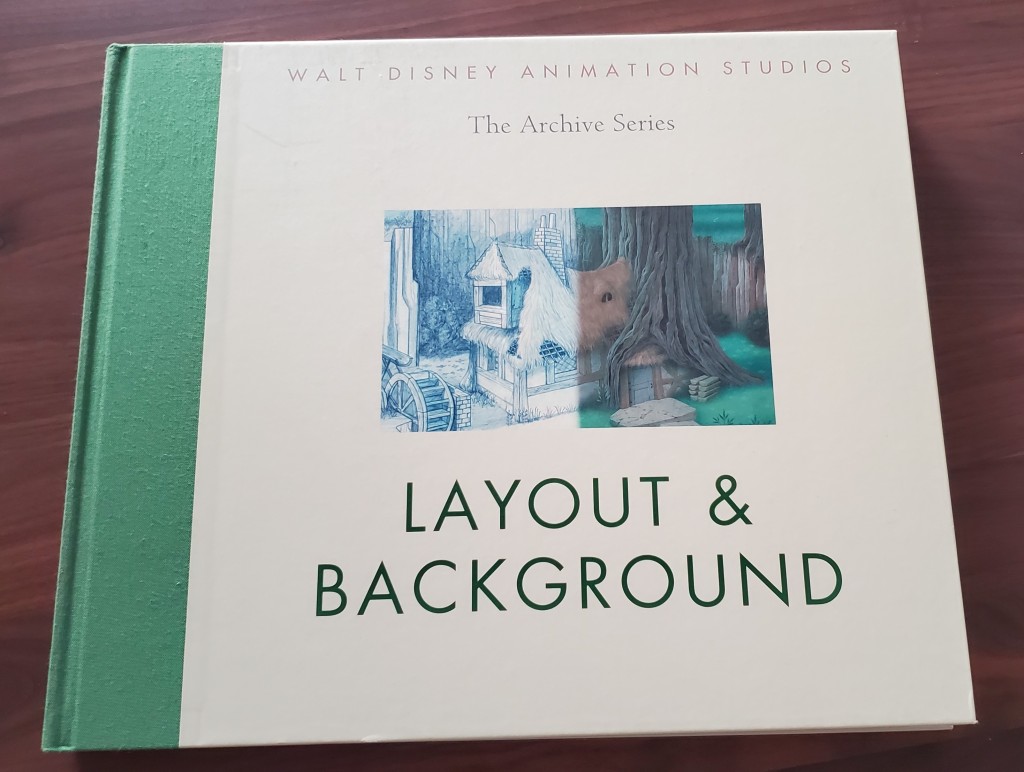
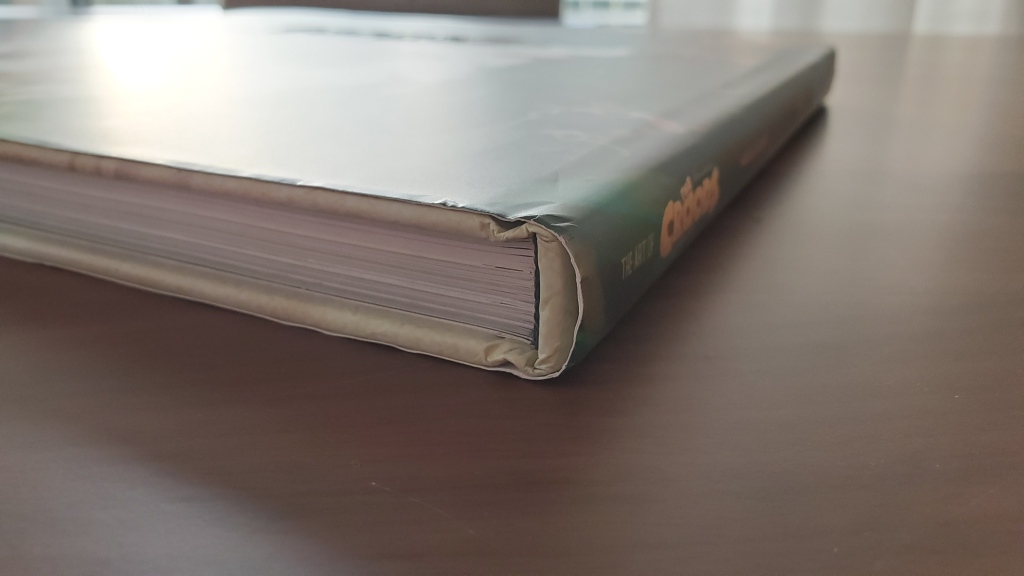
Most of these titles are out of print or up for exorbitant prices online. All prices are listed in Canadian Dollars. So if you’re thinking in USD, you’ll pay roughly 30% less. I have checked Amazon, eBay, and Stuart Ng Books. If you can find a title listed elsewhere for less, I’m happy to beat it. I have provided many high-resolution pictures to show the condition of each book.
Art books are heavy and oddly shaped. Making shipping expensive. I live in Canada. While there is a thriving animation industry here, I know there will be inquiries from abroad. Know in advance that, while I am happy to send to you wherever you are, the shipping prices will be expensive for those outside Canada or British Columbia. You’re also welcome to skip any shipping charges and pick up in person. It’s always nice to meet fellow animation enthusiasts. These books have served me well, and now they need a new home.
Please use the contact form below if you’re interested in any titles.
All books are in good overall condition with tight bindings and no markings, rips, or tears, unless otherwise shown in photos. Most of the cosmetic wear is external and usually limited to the dust jacket. Please make sure you look at the photos carefully.


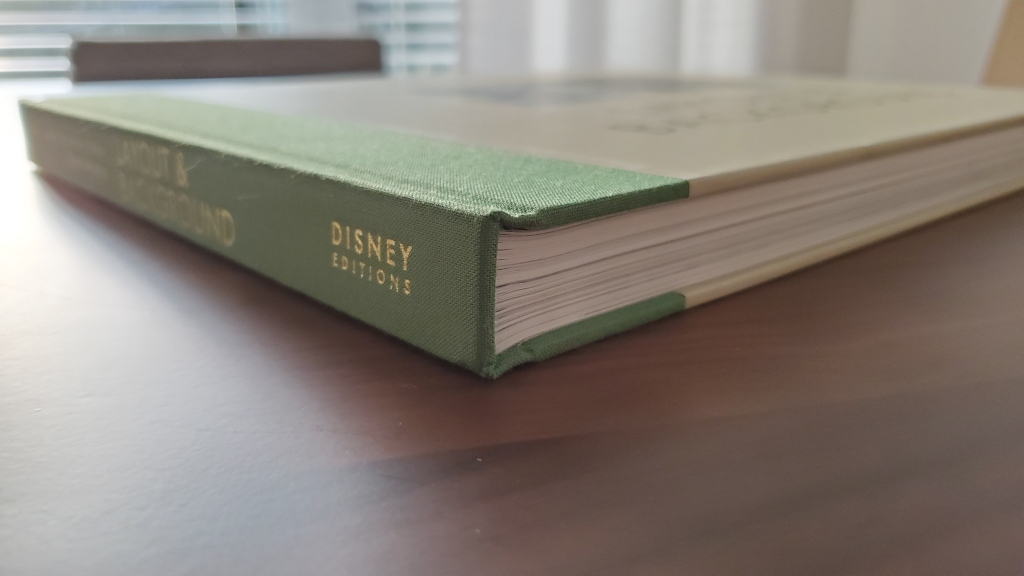


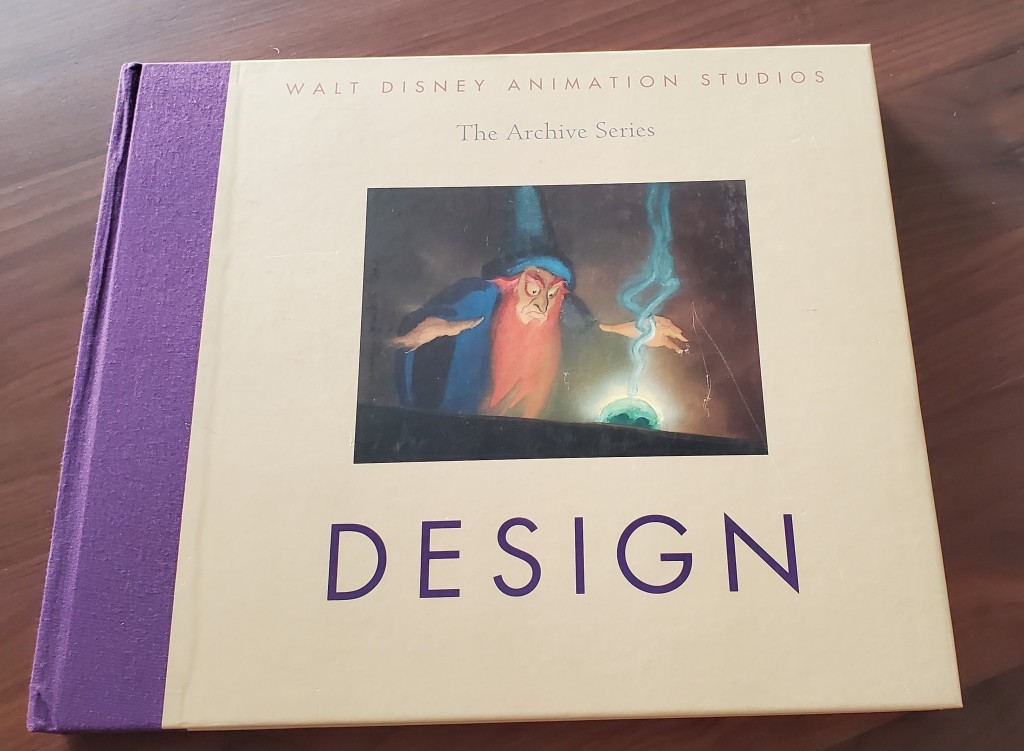


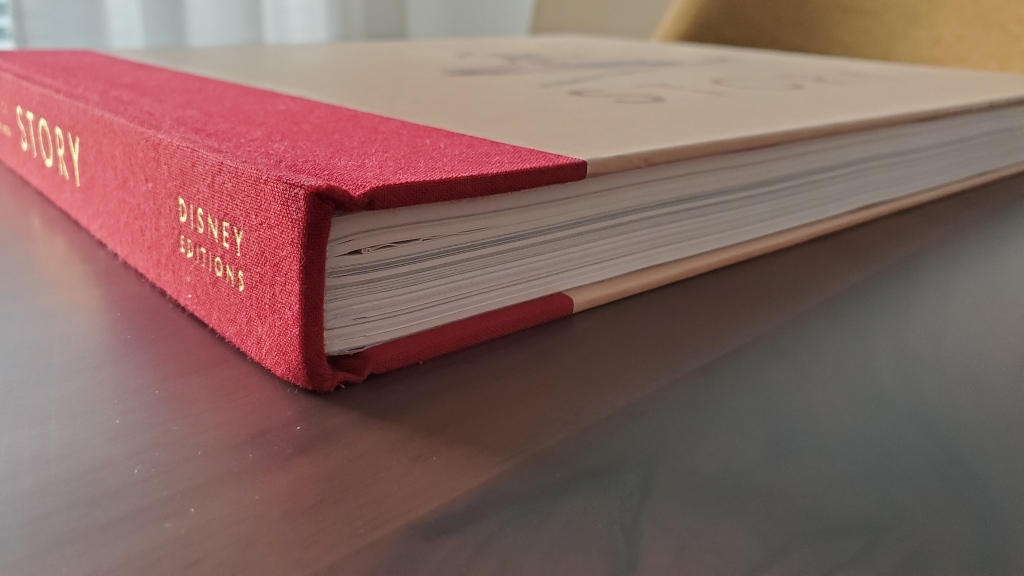


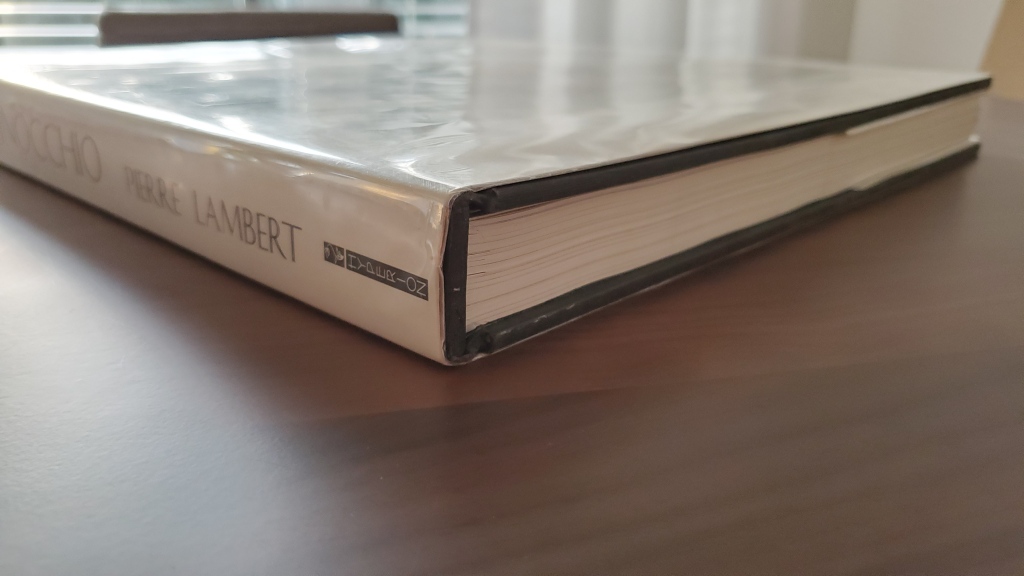


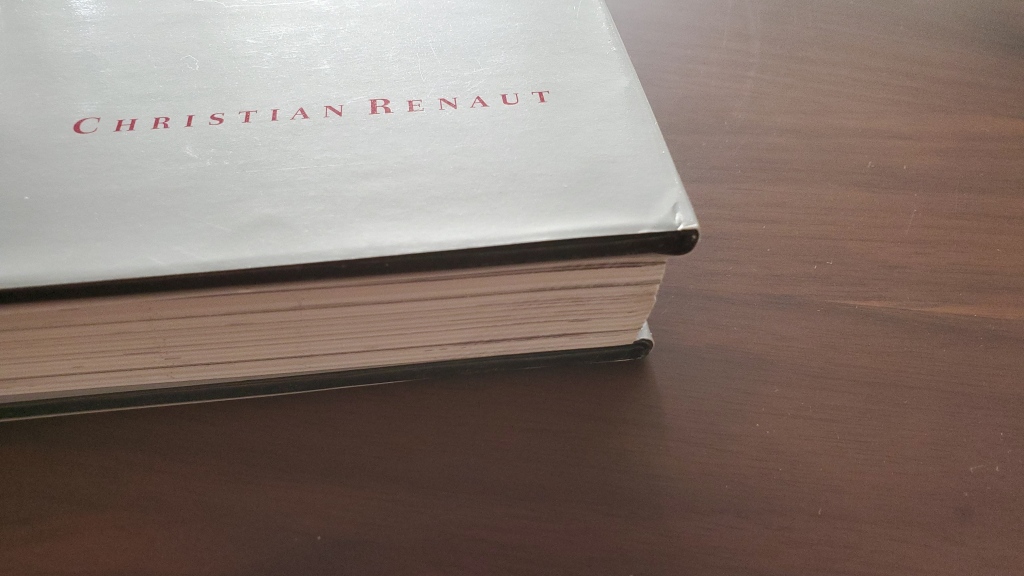
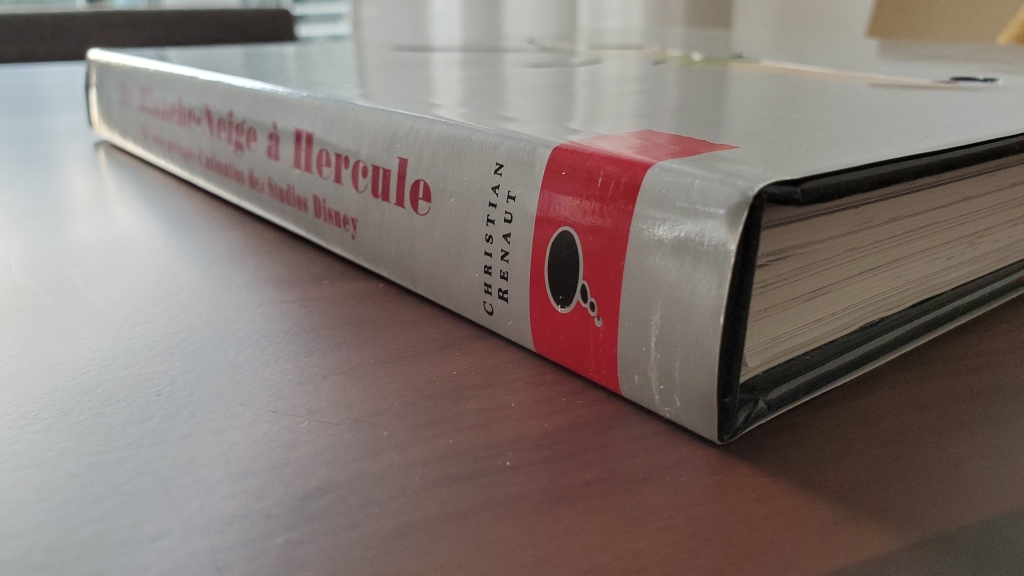
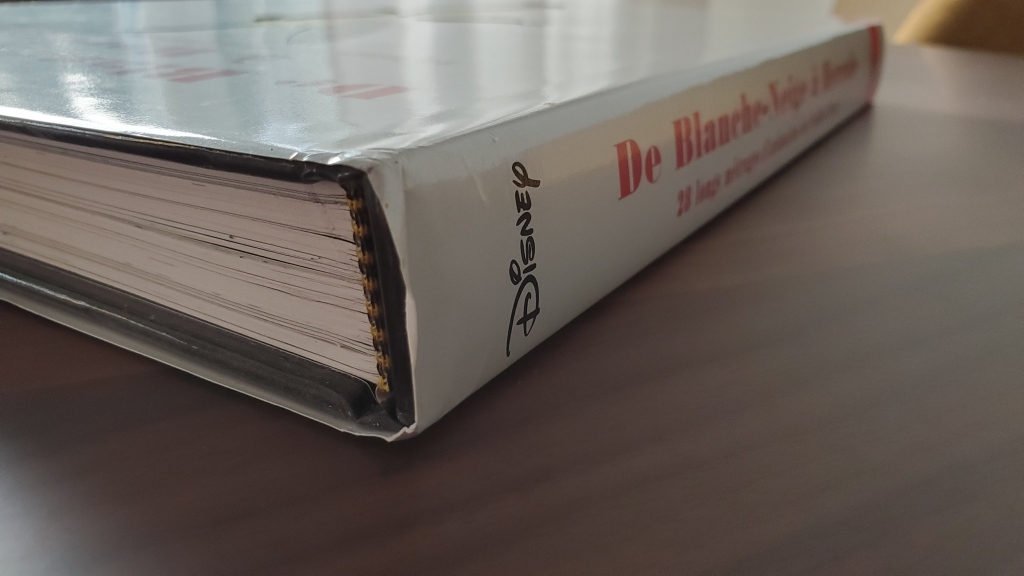


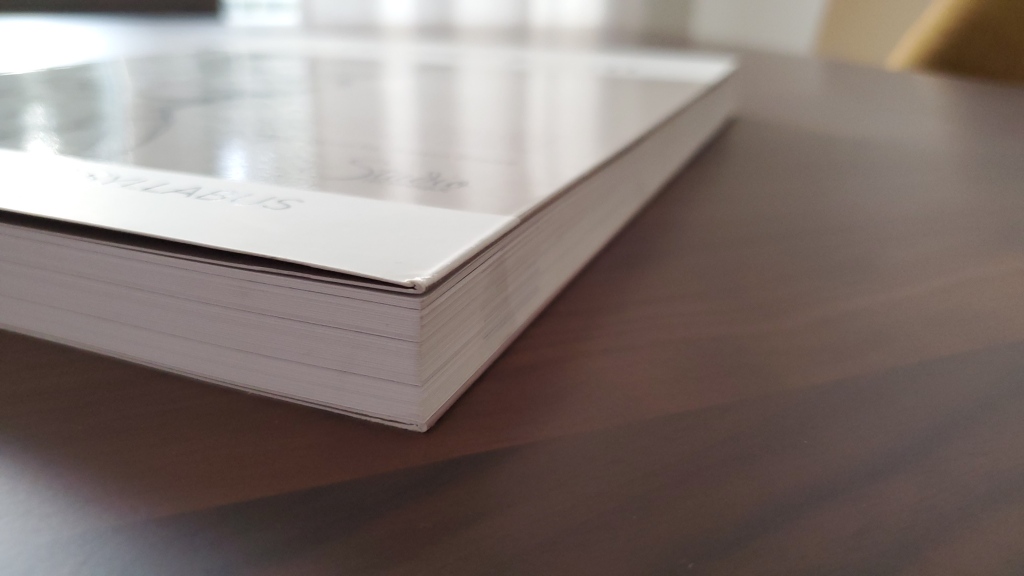
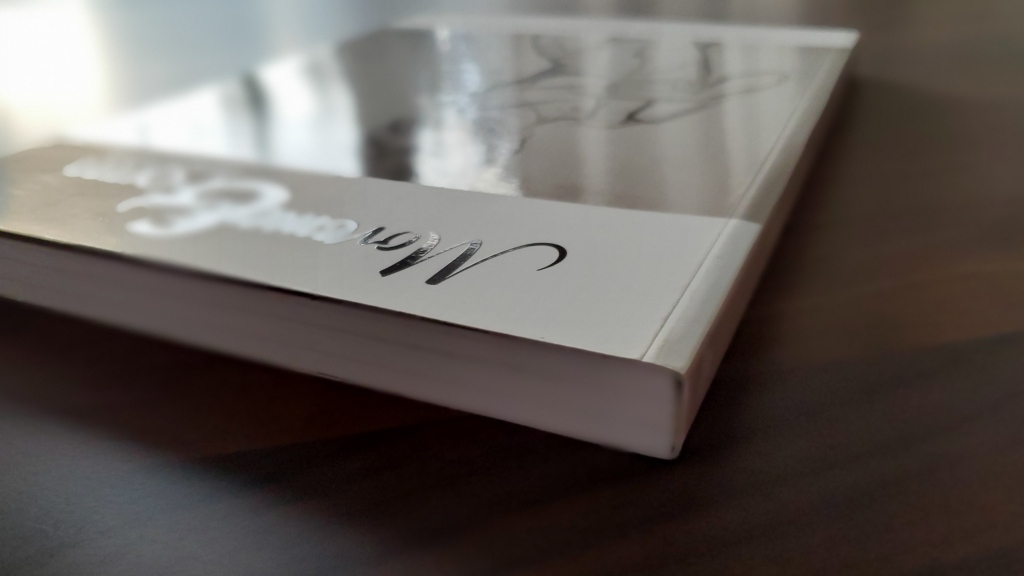

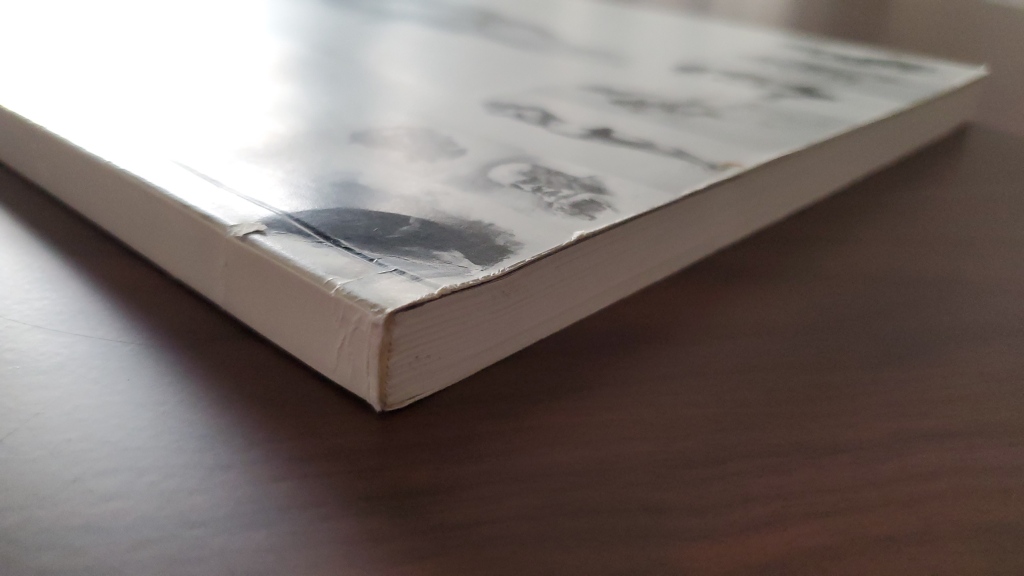




Before Ever After $143.00 SOLD


Marc Davis: Walt Disney’s Renaissance Man $300.00


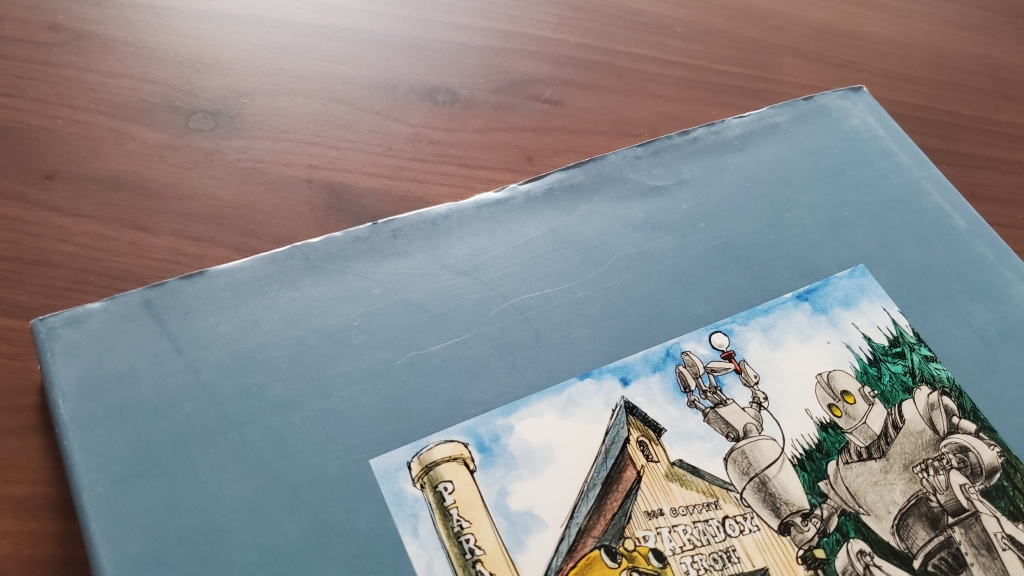
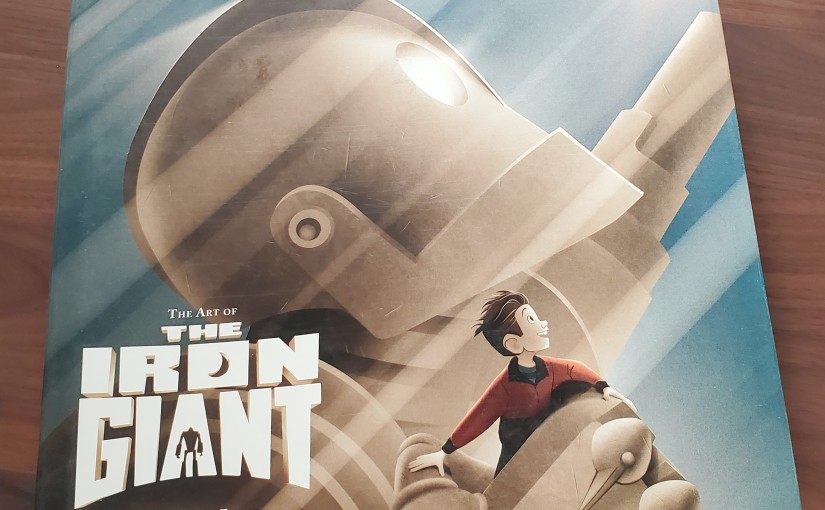
The Art of The Iron Giant $500.00 SOLD
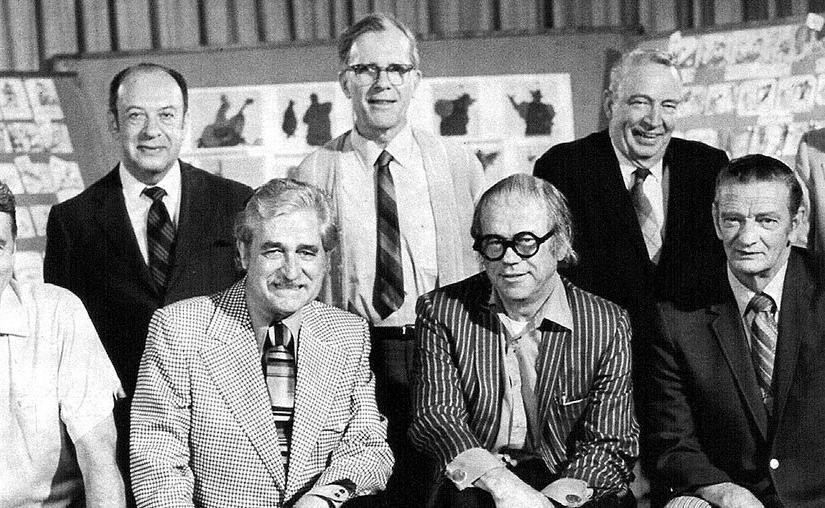
NineOldMen.com is for Sale
If you’re interested in purchasing nineoldmen.com, please get in touch.
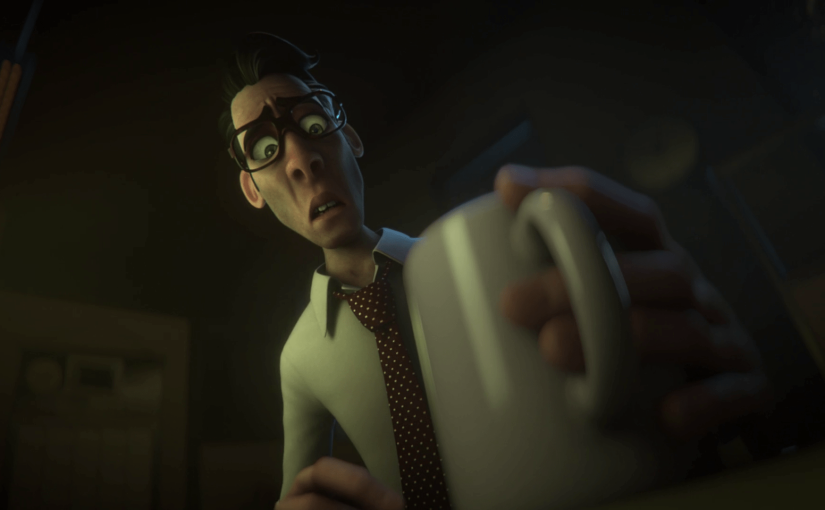
‘Too Late’ by Roy Stein
One last office dweller is faced with a deadly choice.
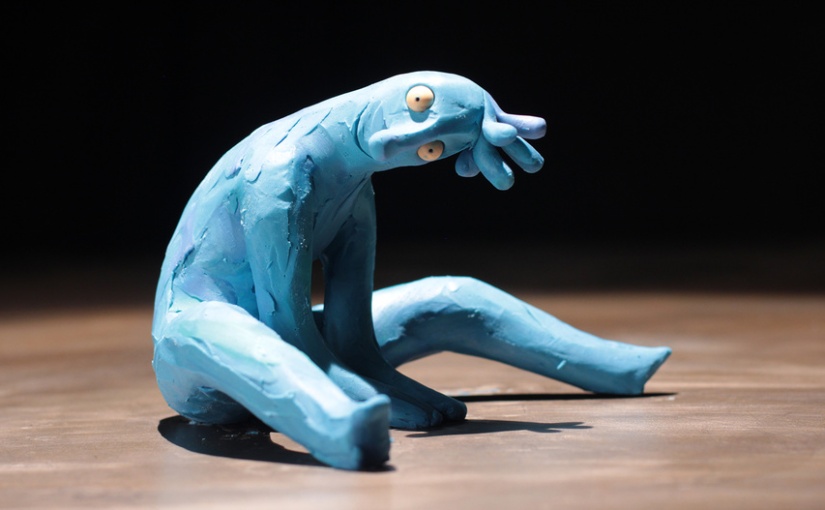
“Love Me, Fear Me” by Veronica Solomon
What would you be willing to do for them to love you?
Continue reading “Love Me, Fear Me” by Veronica Solomon
An Interview with Eddy Okba

For over more than 10 years now, Eddy Okba is a Senior Character Animator. He started at Illumination, working on box office hits including Despicable Me 2, The Lorax, Minions, The Secret Life of Pets, Sing and Despicable Me 3. Then he joined Sony Pictures Imageworks to work on the Academy-Award winner Spider-Man: Into the Spider-Verse. Eddy strives to add passion, charm and humor to all of his work. He is now an animation Lead at Animal Logic, working on DC Super Pets.
Hi Eddy, could you talk a bit about yourself and your background?
Hello, I’m from Paris, France and I grew up reading and drawing comic books and manga, I’m a real nerd actually. I was so passionate about that my whole childhood, taking drawing classes after school and trying to reproduce my favorite artists. I was crazy about animated movies as well and one of my greatest memories was watching The Lion King in theaters, it was amazing. Once I got the VHS, I spent my weekends reproducing frames by hitting the play/pause button. After that Toy Story came out and I was amazed by it. How could they make me feel so many emotions with computer-generated imagery. After my high-school graduation, I went to an art school to study drawing and illustration and there were 2D animation classes as well, and I felt in love with it. It was cool and magical to see my drawings moving and I loved the process of making it. I decided to study CGI then, knowing that I wanted to be an animator. Modeling, rigging, lighting and compositing were part of the curriculum as well and it was great to study all those disciplines in addition to art history, scriptwriting and film studying. I also have an acting background thanks to my mom who signed me up for an acting class when I was a kid, it was meant to give me self-confidence and I enjoyed it. I even got credited as an actor in a movie in France. Animation is finally the best combination for me, the acting and the drawing.


So how did your professional career start?
I had an offer at Mac Guff Ligne (before it became Illumination Mac Guff) right after my graduation and I worked on commercials while the studio was working on Despicable Me with Illumination Entertainment. It was great to work with all of those talented people around and thanks to their support I became an animator on their next feature The Lorax.
Could you tell us a bit of your career path?
I started as a Crowd Animator on The Lorax and Despicable Me 2. My Supervisor at this time, Elisabeth Patte (now Commercial Director at Illumination) always pushed me to create stories in the background, not just populate the shots. That taught me a lot as I had to be creative and work on animations that weren’t meant to be seen. That’s something that still drives me today, looking for the additional creative plus and working hard on things that we won’t see. We are craftsmen, working a lot on details.
I became a ‘main’ character animator on Minions then. It was amazing. My role was to provide high-quality performance and give credibility to those yellow creatures. They weren’t sidekick characters anymore and we had to find a way to give them purposes and deeper personality, to each one of them. And of course, adding a lot of fun and gags. The director, Pierre Coffin, relied on animation to make the scenes hilarious. Some of his briefings on a scene were simply « Make it fun. » or « Make me laugh ».

On The Secret Life of Pets, we studied a lot of animals’ attitudes as well as their anatomy. It was about making the characters move and act like animals but perform believably as actors.
Sing was all about the performance, the subtle acting and the inner emotions of the characters. Each character has something inside to say out loud by singing and performing, it was really interesting to work on this movie.
Each project made me grow and improve my skills in a different way and I’m glad that I had the opportunity to work on such great movies.
What was your biggest challenge in your career?
I would say working on features with high expectations forces you to be up to it. Minions and Despicable Me 3 were like that. We have to create something new enough to be interesting without being that different that you betray the character for the audience.
On the creative side, Spider-Man: Into the Spider-Verse was the most challenging project I’ve worked on. It was something that has never been done, and way different from what I’ve learned all those years. We knew we were creating something special but the road to get there was long and bumpy. Everything was new, the acting, performance, appealing style, animating on 2s, even technically it was a challenge with the cloth simulation, the smears, the duplicate drawings. It was very exciting and challenging at the same time.


What are you working on right now?
I’m working on DC Super Pets at Animal Logic, I can’t say more about the project but I can talk about my animation lead role. I’m supervising sequences and I’m in charge of an animator’s team. In the early phase, the pre-production, I’m helping the Supervisor to define the look, the style and the way the characters would move and act. It’s a very interesting process as you translate and develop the character’s personalities based on the design and the script into animation. During the production, I’m following up with the artists and helping them to provide high-quality animation. It’s great to work with talented people and to talk about animation, ideas and how we could push the emotional performance or the fun parts with them. I’m also working on my own comic book and children’s book in my spare time.
Do you have any advice for an aspiring animation student?
You have to love it! It’s a very long and hard path so you have to be passionate. Observe the life around you, drawing is a good way to do it, you could also be inspired by any type of art (painting, music, cinema, comic book, etc.). It’s a long process to create animation, spending hours to make a few seconds but at the end of the day, it’s totally worth it.

To see more of Eddy’s work, stop by his Vimeo page. Thanks Eddy!
Spread the LOVE
Spread the Love is an ensemble of shots animated in different styles by individual animators, but connected by LOVE.
Continue reading Spread the LOVE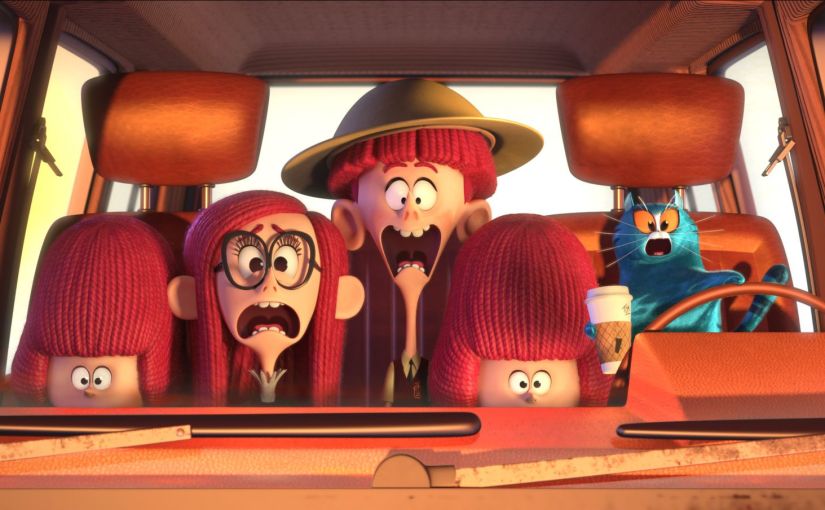
Director Kris Pearn on Crafting the Wonderful World of ‘The Willoughby’s’
Instead of running away from home, frustrated siblings Tim (Will Forte), Jane (Alessia Cara) and the Barnabys (Seán Cullen) use their ingenuity to achieve independence in, The Willoughby’s. Director, co-writer and executive producer Kris Pearn (Cloudy with a Chance of Meatballs 2) was instantly intrigued by the tone of Lois Lowry ’s 2008 children’s novel. We got a chance to catch up with Kris and talk about his latest film.
Make sure to watch The Willoughby’s when it premieres on Netflix on April 22nd.

You’ve worn many hats over the course of your career. Most notably in storyboarding, which is a natural progression to directing. Can you tell us a bit about your transition from story to writing/directing?
Anyone that’s worked in the industry understands there’s a lot of different jobs and a lot of different skill sets that go into making a movie. I’ve always been at that sort of front end. I came into the business when it was still being drawn on paper. I was always a drawer, so when the industry made that switch from 2D to 3D, I didn’t make that transition right away. That’s how I got into storyboarding because I could draw, and I could draw fast because I was training to be an animator. So the storyboarding came organically from my animation experience at the time. I had to learn a lot about the blank page.
When you talk about the next transition, which is storyboarding into writing or being a director, one of the things that you start to get is the culture of that writing room. You have eight or nine people on a movie and you kind of beat up ideas over and over again to get 85 minutes of material to sit in that film. So between working with editors and the access to really great directors and some amazing story artists, I got to learn that voice, that “what if?” voice, and how to handle the politics of that kind of space. I think also being in that room where you’re pitching to executives, you start to see how that evolution of an idea from your head to the page, through the timeline of editorial all the way to marketing… just how many people are involved with it.
I think the biggest difference between being a story artist and a director is that one is about providing ideas for the blank page and the other is about knowing what ideas to let in and how to keep that flow of ideas going. So there’s a bit of that learning, how to debate and argue, which was the next step. But every phase of the job allowed me to gain experience. I did layout for years and location design. All that kind of stuff adds to your understanding. And while I’m not great at all of those jobs, it’s sort of important to understand what all those people go through, so that you can help them realize your ideas.

Rumor has it you are the hardest worker in the room, you seem happy under pressure, and nothing ever phases you in the production environment. Would you say these are prerequisites for jumping into the director’s chair?
It’s a strange job because there’s a certain amount of ego necessary to assume that position, but the position demands humility. In a lot of ways, there’s no glory in being an animation director. You’re really just trying to figure out how to tell your story and you’re wrong a lot of the time. You have to be open to the reality of being wrong. If you don’t get kicked in the head while you’re making the movie, you will when you’re done. So at some point that tenacity of good work ethic or whatever tools you have… If you have the mechanics that you can rely on no matter what happens you can kind of go back to those mechanics. Sometimes when I’d have a bad day on a movie, and there’s always something that happens, I’ve made a lot of mistakes…you don’t predict a note or a turn of the business cycle. There are things that you can’t control, and there’s a lot of pressure that goes with that. So being able to sit down and storyboard or put my head down and just design, I’m going back to those mechanics, and that’s really helpful. I do think having that kind of work ethic is necessary
What attracted you to this book? How did you get started turning this into a film?
The book was introduced to me by a Producer from Vancouver Island, Luke Carroll. I was working on the Han Solo Star Wars project with Lord and Miller at the time, and I met Luke in L.A. He gave me the book and I gave it a read, and then I did the pitch. One of the things that immediately attracted me to what Lois Lowry had in the novel was this subversive story. A kind of coming-of-age story where the kids, instead of running away from home, trick their parents into running away from home. So it felt funny at its core. It was a fairly organic thing to stream into working on the script (originally I was just drafted to write the first pass). You know one thing led to another. I wanted to have a studio back in Ontario because that’s where my farm is, and Bron was supportive of that, so we figured out all of the logistics and it just started to happen.

This is not your average animated film. The story is both quirky and sinister. Was there a temptation to lean into that more than the source material?
When I first read the book, I had this immediate reaction to not go for a Tim Burton look. It’s not that I don’t like Tim Burton, it’s that he does it so well. I also felt that I would lose interest in the story if it was heavy on effects. What I find funny, and where I find joy in comedy, is earnest characters. Foolish characters or ones that have optimistic goals that are impossible. I think that translates into what I like to do tonally. So if you look at the films that I’ve worked on…look at Flint Lockwood in Cloudy with a Chance of Meatballs, he was optimistic. So I want to take the story which could be dark and bend it towards a more comedic platform. Everybody is earnest. Even if they’re not necessarily the nicest people in the world, there’s a motivation for what they want.
I really love the idea of a story that’s nonlinear. One of the things that really appealed to me was this idea of independence with kids. I grew up in the 80s. Movies were all about kids going off and having their own adventures. So this is a bit of a response to that kind of helicopter parenting. I really wanted to look at a difficult situation and find a way for these kids to get out of it in a way that was hopeful. So all of that was part of the beginning of the story.
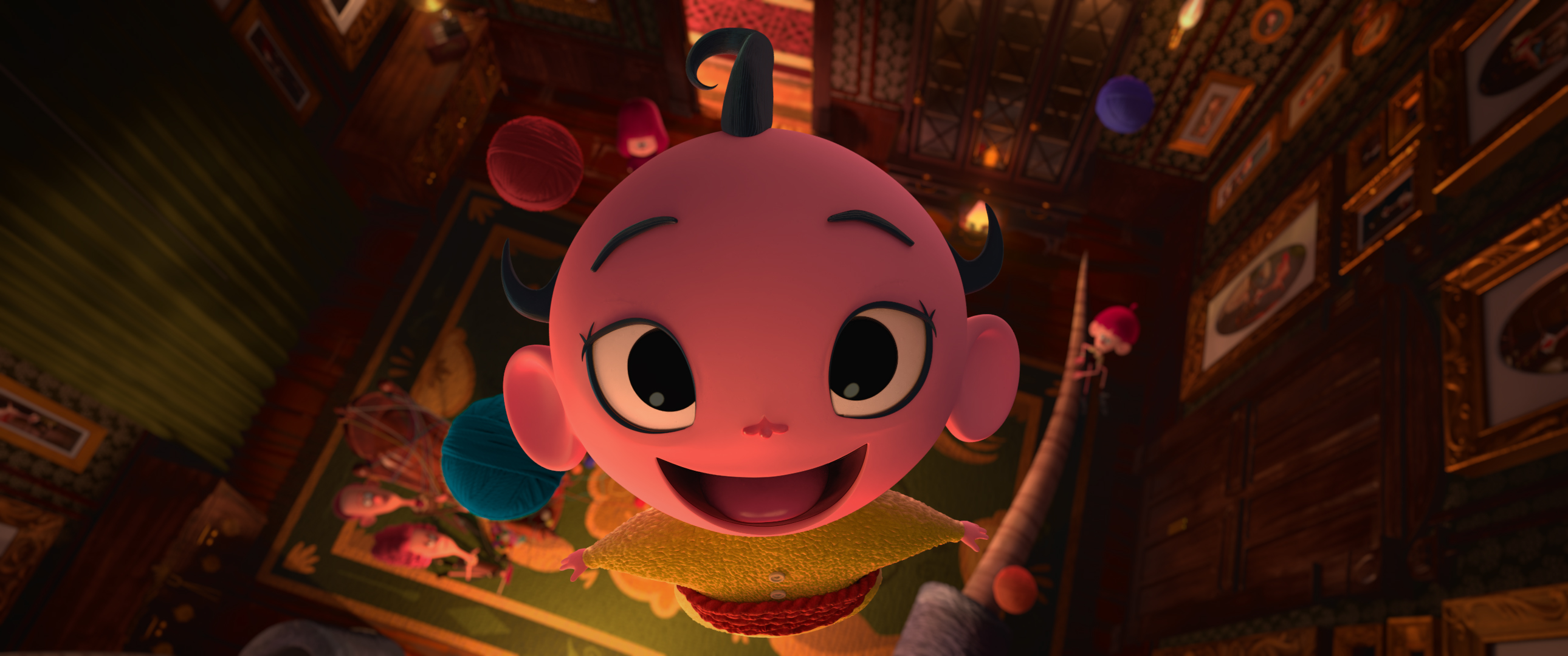
There are quite a few differences between the book and the film. Can you talk about some of the decisions to tweak the story and characters and what goes behind that?
A big part of it is the medium. When you read a book there’s a different kind of consumption rhythm as that material comes in. To ask an audience to sit in a dark room for 85 minutes, you’re really challenged to create that kind of cause and effect in a way that a book can be more wandering. With the Willoughby’s, Lois Lowry was being subversive with the tropes of children’s literature. So very early on we wanted to be subversive with the tropes of children’s films. I think that choice was necessary for the consumption, but also for our own originality through the process and the story.
We needed to come up with choices that give our audience a satisfying ending that allowed us to kind of build out the voices for our characters. You start off very close to the book, but as you start to find what is funny in time just going by 24 frames per second, little shifts start to lead into bigger shifts. It was a real process. It was four and a half years, and if you look at the very first draft, the script it’s very close to the book. And if you’ve gotten to the end of the book, you’ll notice there’s almost another story that starts happening and that was something that was very difficult to wrestle with.
There are other things like what are the stakes. If you bring a baby into a story, there’s going to be stakes with that baby. I had a pair of writers that jumped in to help me for a while. One of their opinions was that you can’t go longer than 10 minutes away from that baby at any point in the film because it was like the MacGuffin that is driving things along in the story. Little things like that show themselves when you’re living in this medium.

The design and animation in this film are fantastic and fun. What was the inspiration for the character design and animation?
The homerun inspiration was being able to hire Craig Kellman early on. I’ve worked with him on a few movies and there’s always that sort of feeling after a movie, “If only we could have gotten closer to Craig’s original designs!” So having been through that a few times…when Kyle McQueen, the Production Designer was collaborating with Craig, the goal was always to get as close as we could to the simple iconography of his 2D designs and the thinking behind those designs. When you follow the thread of learning…Craig was really reacting to this idea that all the Willoughby’s were a little bit starved. They were a little bit mummified in the legacy of the past. They were stuck. So they were very thin and very emaciated. You can see things like Tim’s short pants came out of the idea that he had one pair of trousers and throughout his whole life his legs have just shot out the bottom.
Some of those things might not come through in the movie because there’s not enough time to talk about them, the subtext in the design is there and the thinking is there. So as we translated into CG, we were trying to hang on to that. Where the stop motion idea kind of bled into the movie really was driven by a design desire to try to create a heightened world. Because we knew that the subject matter was a little dark and we wanted to create this fairy tale. We had created a narrator character and named it after the cat. Ricky was already on board. So this idea of Ricky Gervais being this wandering narrator of the movie…because it’s a cat’s point of view, we wanted to have this heightened world. So that kind of took us to heightened textures.

Kyle was really passionate about the idea that you could go to Michael’s and buy all of the tools to make the movie. From the metaphor of the thread connecting the Willoughby’s together with their hair, like that yarn thread, it’s a connection of legacy but it’s also it could be if you get tangled in yarn it could be a noose or shackle. So it’s this metaphor for what the kids have to try and get past. The other characters that they run into are all in opposition to that initial idea that Craig came up with for our main characters. The Nanny is full and she’s round and she comes in like a walking hug. She’s literally shaped like a heart, so we’re always looking for contrast and ways to sort of set our characters into their world. Commander Melonoff is in this giant factory which looks very austere. Craig had the idea that he’s this Tempur-Pedic mattress with arms and when you scratch the surface, he’s sweet on the inside.
That translated to all of our animation and design choices. The 2D principles were probably more in my head at the beginning as a 2D Animator, I always loved the idea of classic animation. I didn’t want to do what Cloudy was doing, which was rubber hose and muppet-y. I wanted to do something different. I really like the idea of physics and that there is a tactile, grounded world, and having worked at Aardman for years, it definitely takes you into those places. The other thing is that it affected our camera. Our budget was such that we had to find ways to get everything onscreen. So if I could set up the world like a sitcom, and shoot three camera setups, and not move my camera, it would save us money down the road. Well, that led to a physicality that actually added to the effect that the movie. So there’s kind of two films: there’s the film in the house and then there’s the film when they break out. And the camera responds on both sides. There’s more moving camera when they escape because they’re in a movie, and when they’re in the house it’s like there in a sitcom. So all of those things kind of play into themselves to give you that look.

Do you have a favorite character and why?
I think Jane’s probably my favorite character and I think was the journey of building that character and working with Alessia Cara. Trying to find the funny in her. There’s something really funny about her. She wants everyone to listen to her but she doesn’t listen. I always find that she makes the sequences interesting. She was quite often my straight man against Will. I always laughed when we cut to Jane to see her expression. I think my favorite scene is when she follows Nanny into the library after Nanny shows up and she’s mimicking her. The animator was really on the knuckle of trying to make her act like Maya Rudolph but she’s still Jane. It was so subtle and sweet. Check it out, it’s pretty funny. It’s not where your eye is looking.
Watch a clip from the film below:
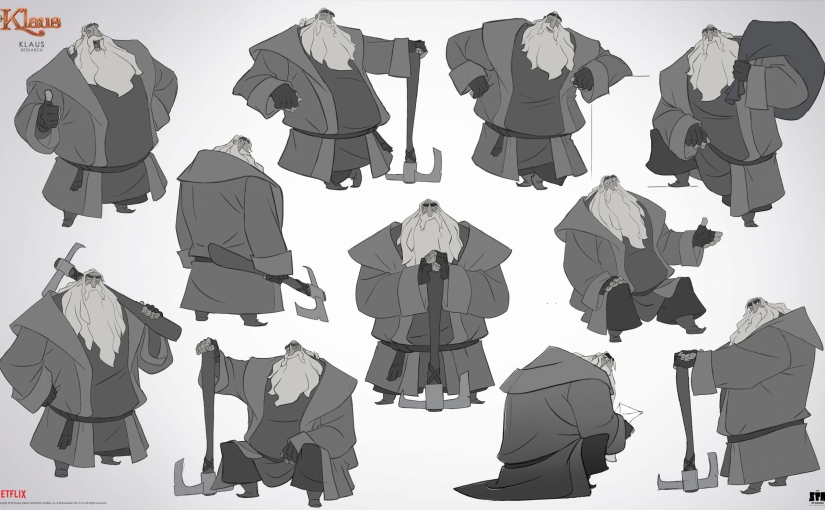
Torsten Shrank on Designing Characters for Klaus
A big part of the appeal of Klaus resides in its Character Design. Meet the person responsible for it all, the uber-talented Torsten Shrank, and have a look at his process while designing some of Klaus’ most iconic characters. Continue reading Torsten Shrank on Designing Characters for Klaus
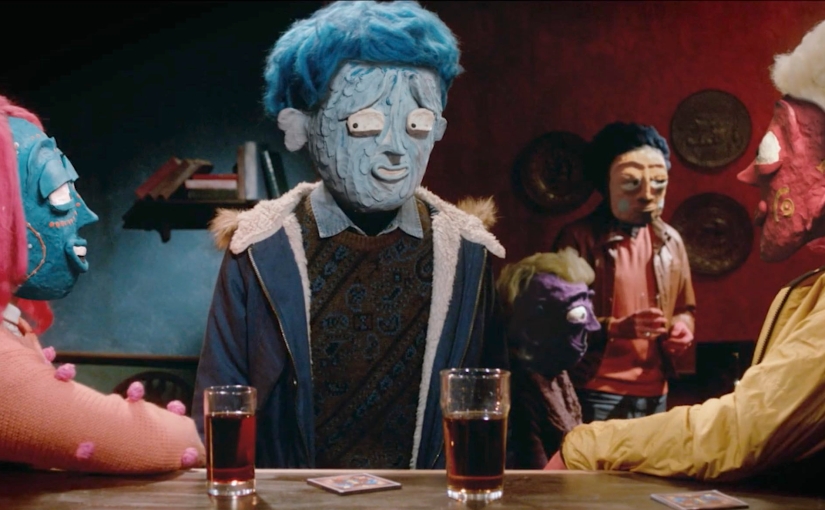
‘Facing It’ by Sam Gainsborough
Shaun always feels separate and isolated from the confident, happy world around him. Whilst waiting for his parents in a busy pub, Shaun struggles valiantly to join in with the admirably happy people in the crowd, but the more he tries, the more he goes awry. As everything in the pub goes from bad to worse, Shaun finds himself confronted by the painful memories that made him who he is. His feelings, memories, and desires overwhelm him and by the end of the evening, he is ready to explode… Continue reading ‘Facing It’ by Sam Gainsborough
Leuki
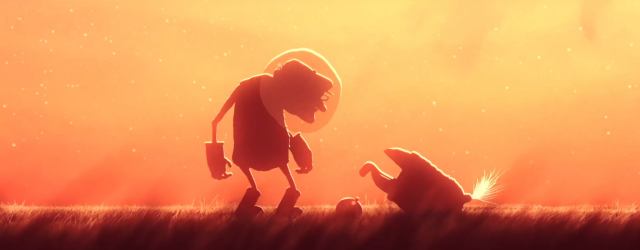
Leuki has mysteriously disappeared. Papeï starts looking for his faithful companion and meets a strange tentacle.
 On Animation
You must be logged in to post a comment.